Essay · 28 September 2026 · 4 min read
The Question Every Lawyer Googles at Midnight
An honest answer from someone who builds the machines
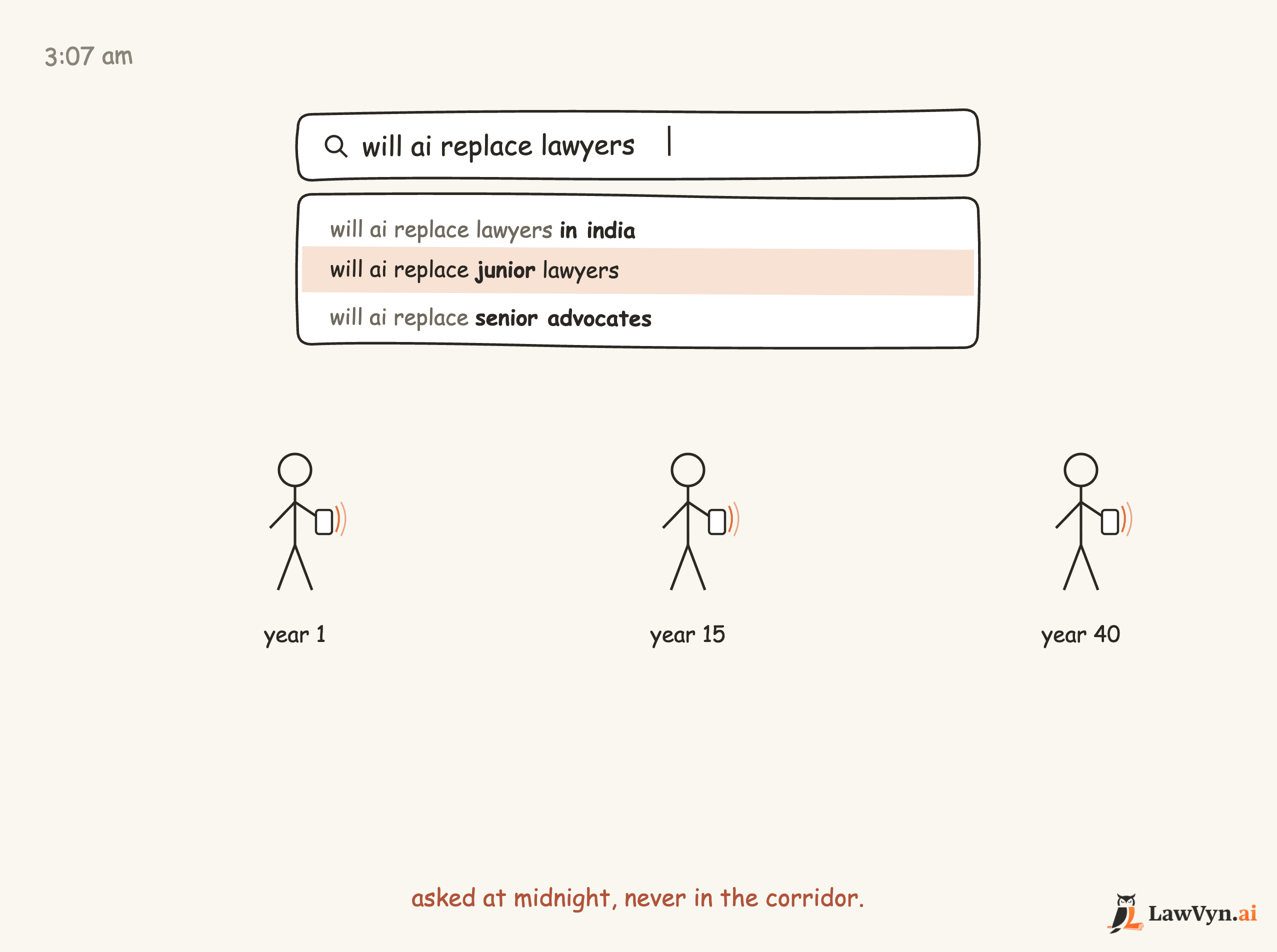
Imagine three lawyers in the same city, awake at the same midnight.
A first-year associate in Hyderabad, still at the office, learning the way juniors have always learned: one red correction at a time. An independent advocate in Pune, fifteen years in, who just watched a client drift to a bigger firm with “better technology”. A senior partner in Delhi who has argued for thirty years and, quite reasonably, has people for email.
All three pick up their phones. All three type the same question.
Will AI replace lawyers?
Google finishes the sentence before they do. That autocomplete might be the most honest data point in the legal profession right now. Nobody asks this question in the court corridor. Everybody asks it in the dark.
I build software for lawyers, so this question finds me at every conference, usually near the tea, usually in a lower voice. Here is my honest answer.
The boring truth
No, AI will not replace lawyers.
Yes, it will replace a good part of what lawyers do all day.
Those two sentences sound like a contradiction. They are not, because “lawyer” was never one job. It is a bundle: reading, drafting, searching, arguing, advising, reassuring, taking responsibility. The machine is coming for the first three. It has no answer for the rest.
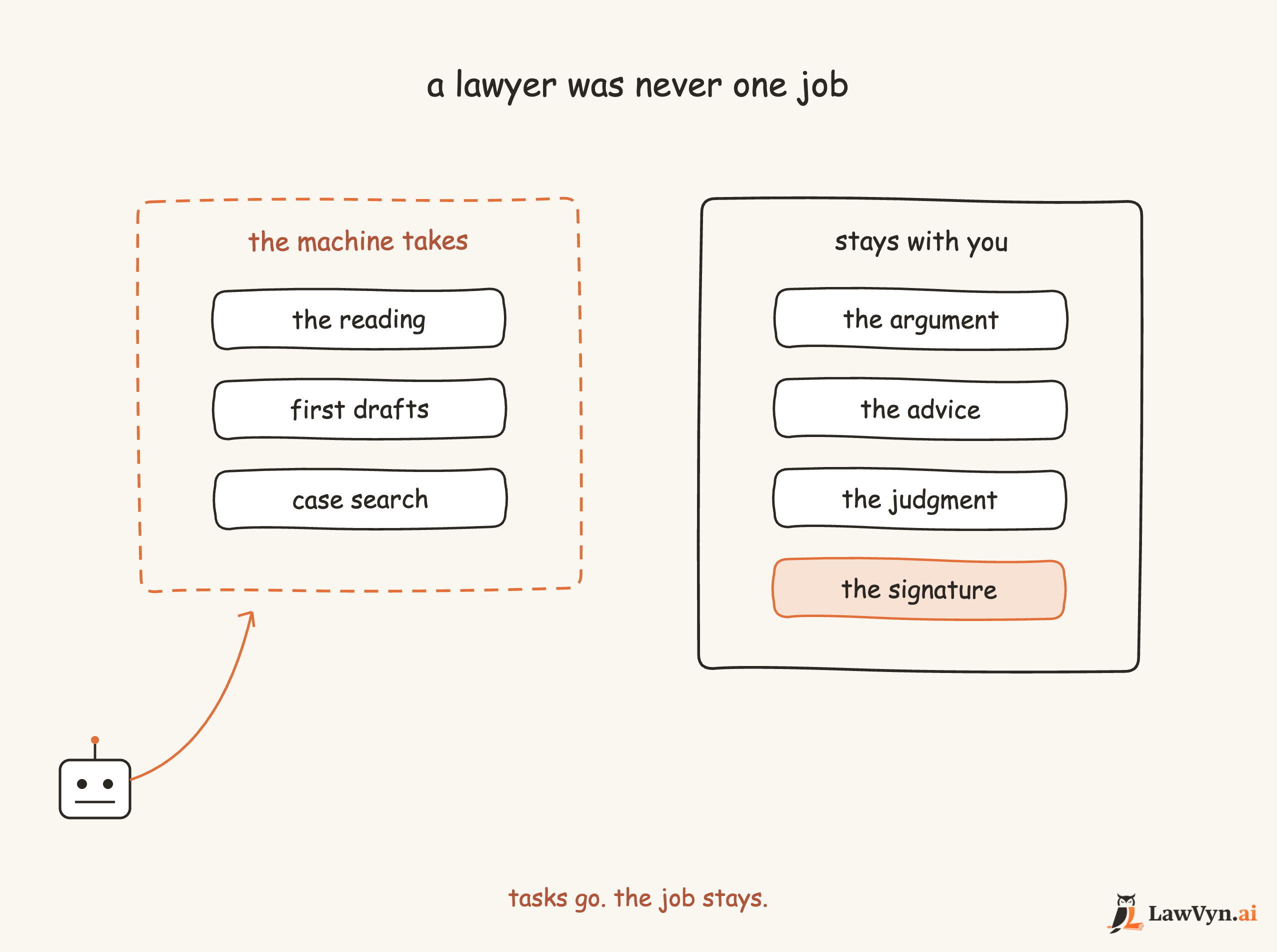
A model can draft a rent agreement in seconds. It cannot sign it. It cannot stand before a magistrate, cannot be held in contempt, cannot sit with a family after a bad order and explain what happens next.
There is no API for the bar exam.
Same question, three different fears
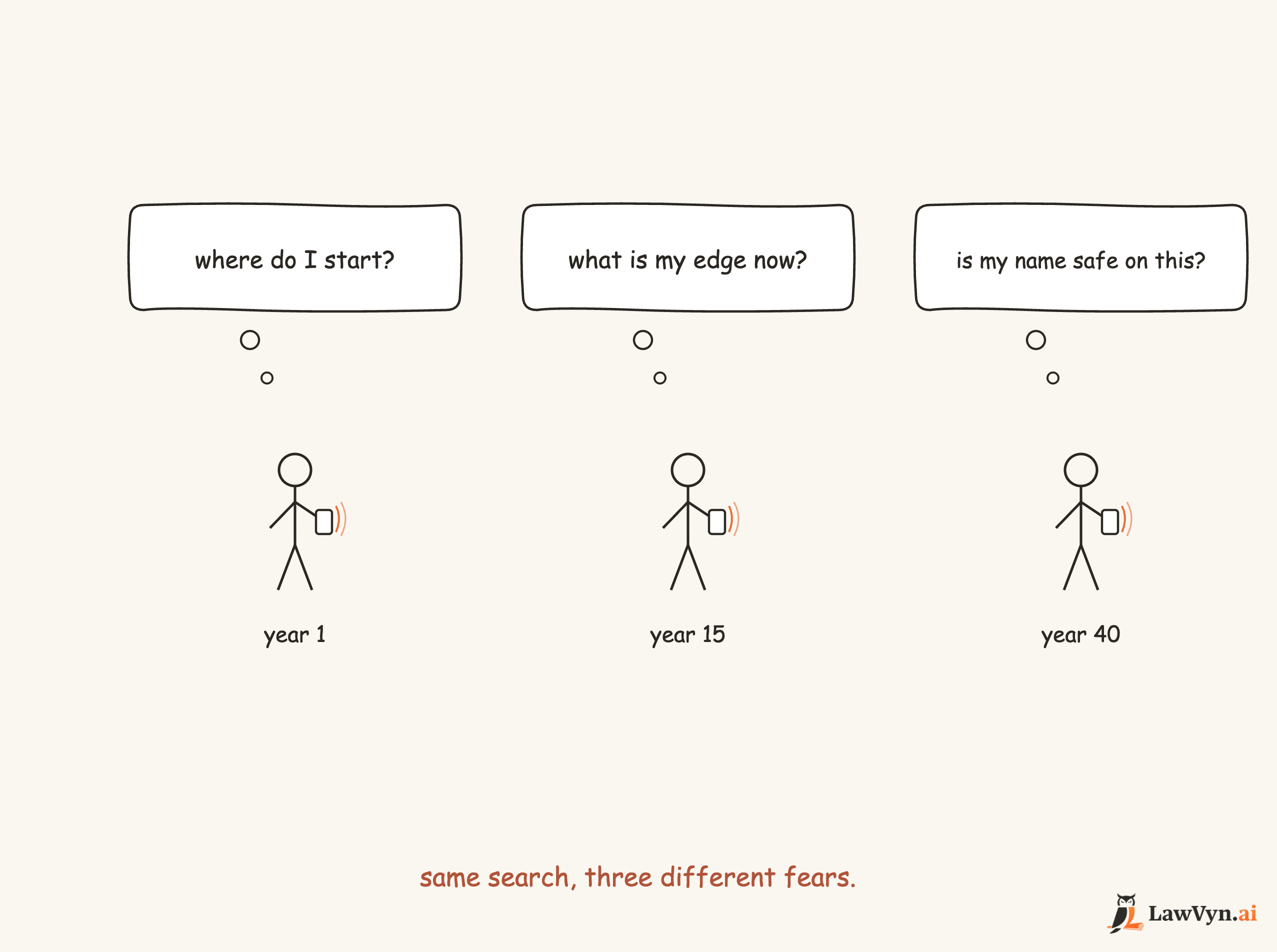
The junior is really asking: the tasks I was supposed to learn on, the machine now does in seconds. So where do I start?
A fair worry. But the late nights were never the point, they were the syllabus. And the syllabus just changed. The first skill now is checking machine output quickly: catching what it missed, sensing what it invented. A junior who can look at a confident page and ask the right question becomes valuable in year one, not year five.
The mid-career advocate is really asking: my edge was speed and process. What is my edge now?
Judgment. Fifteen years compressed into “this judge will not take that argument well”. No model has stood in that courtroom. No model has waited from 10:30 to 4:15 for a two-minute mention either.
The senior is not afraid of being replaced. He is afraid of his name on a page the machine got wrong.
He is right to be.
The machine lies confidently
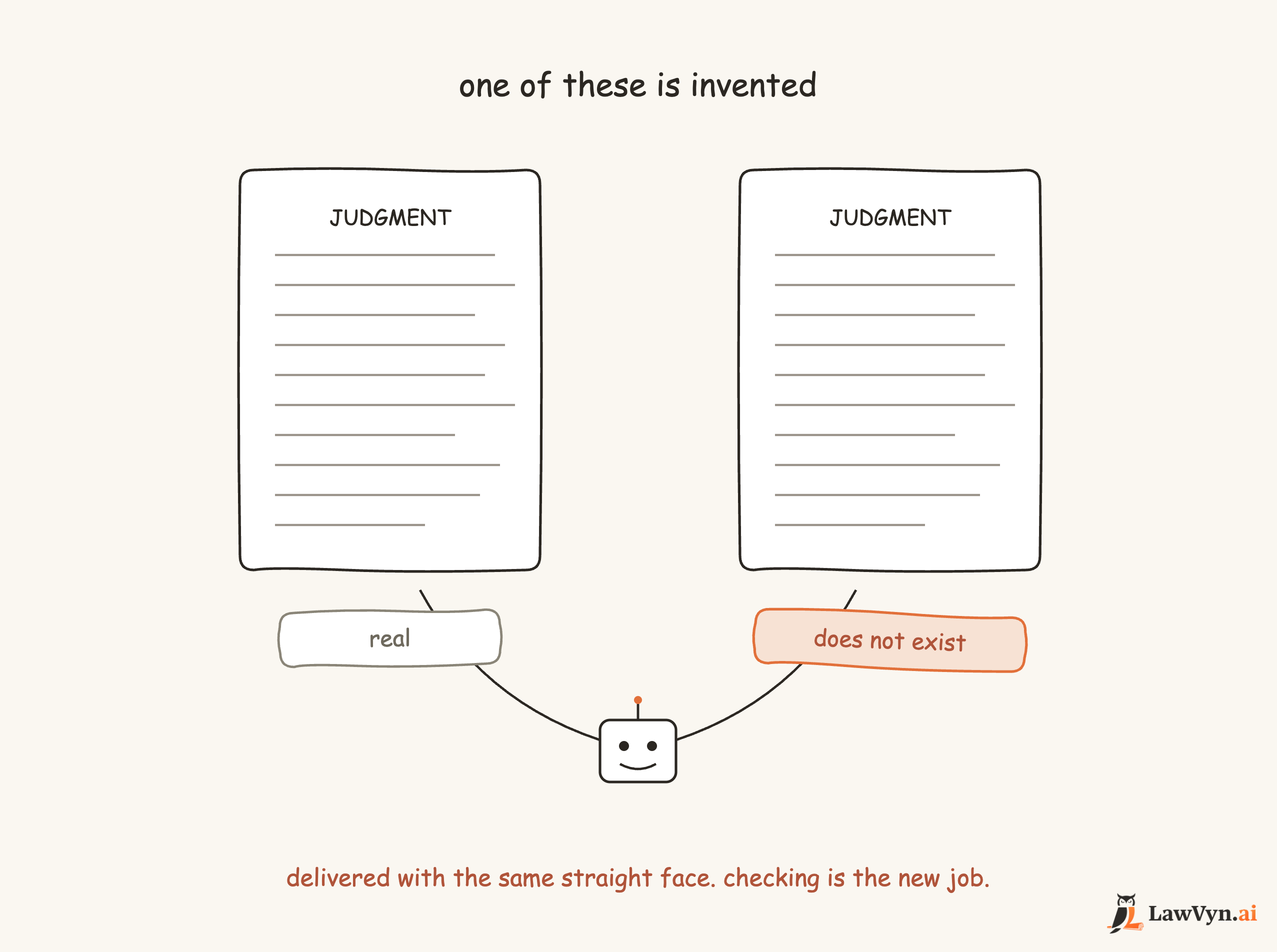
In July 2026, the Supreme Court set aside a tribunal order that leaned on six earlier judgments. Every one of them was either fake or pointed to paragraphs that did not exist. Nobody in that room set out to cite a ghost. The machine simply never flagged a doubt, because doubt is not something it carries. It presents invented case law exactly the way it presents real case law: with a straight face.
This is worth understanding, because the machine is not lying the way people lie. It does not look things up. It writes the most convincing next sentence. Most days, the convincing sentence is also the true one. Some days, it is a beautifully formatted judgment that no court ever delivered. The machine cannot tell you which day it is having.
America met this problem in 2023, when a chatbot handed a New York filing cases that existed only inside its own head, and vouched for them when politely asked. Courts in London have issued their own warnings. Kerala High Court has already told its district judiciary: take the help, but no machine decides.
Notice what none of these courts said. None of them said stop. They said: keep a human in the loop, and keep the responsibility with the human.
That is not a replacement notice. That is a new job description.
What I would do on a Monday
If I were practising, I would pick the one task I dislike most, the reading-heavy, low-stakes kind, and let a machine take the first pass. I would verify every citation like it owed me money. And I would keep every client conversation fully human, because nobody hires a lawyer to talk to a screen.
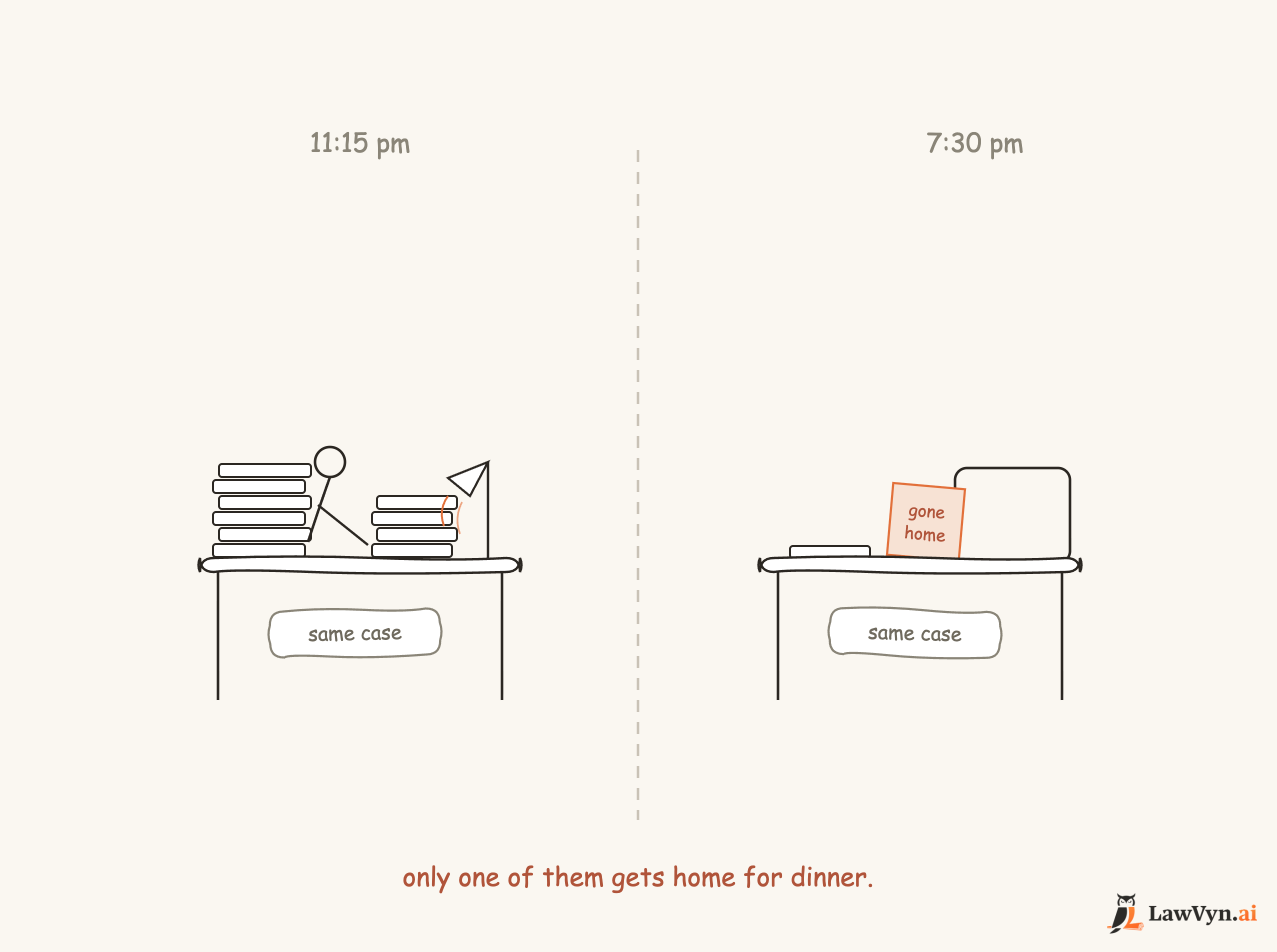
By 2030, every city will have two kinds of lawyers: those who make the machine do the first reading, and those who would rather not, which is a perfectly respectable position. Both will remain fine lawyers.
Only one of them gets home for dinner.
The real question
Go back to those three midnight lawyers. None of them was really asking about technology.
The associate was asking: am I still worth training? The advocate was asking: am I still competitive? The senior was asking: is my name still safe?
Yes, yes, and yes. On one condition, the same one the profession has always applied to a promising new clerk: give it work, check everything, and never hand over the signature.
AI is the fastest junior you will ever hire, and the only one that never says “sir, I am not sure”.
Treat it accordingly.
Ravi Daparthi
CEO of LawVyn
A Practice management software for Indian advocates and law firms.
https://www.ravidaparthi.com/ ·
https://www.linkedin.com/in/ravidaparthi ·
Follow LawVyn on LinkedIn

This essay first appeared on my Substack. New pieces land there first.
Subscribe on Substack
Ravi Daparthi
Entrepreneur, AI product leader, CEO of LawVyn.ai. Co-founder of Signitives and Oorwin.
More from Ravi
Essay
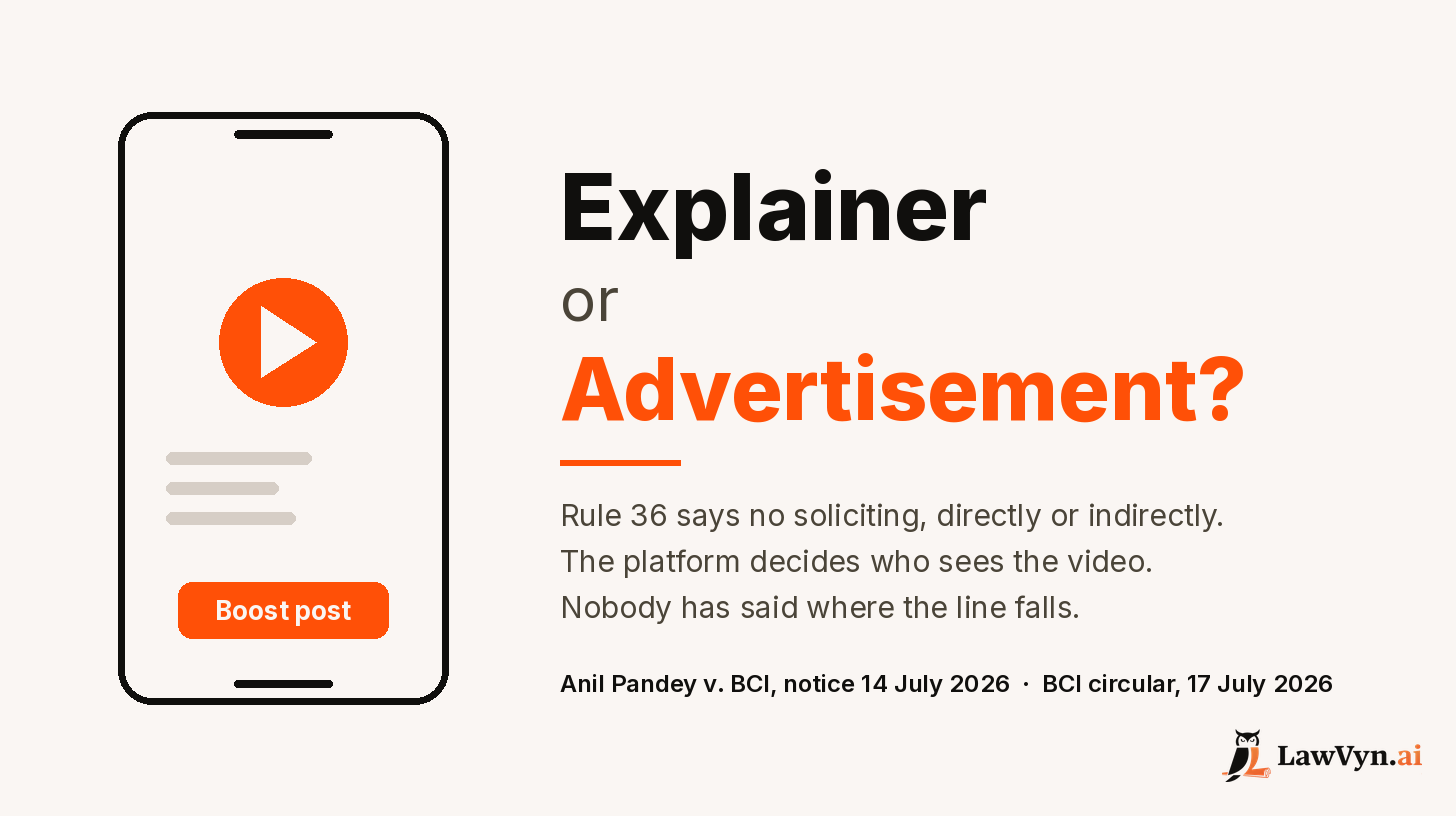
Explainer or Advertisement? The Bar Council Read Your Instagram. So Did the Supreme Court.
A rule older than the internet, a 37-page circular, a Supreme Court notice to every State Bar Council, and a line nobody has drawn yet between teaching the law and selling it.
25 September 2026 · 5 min read
Essay
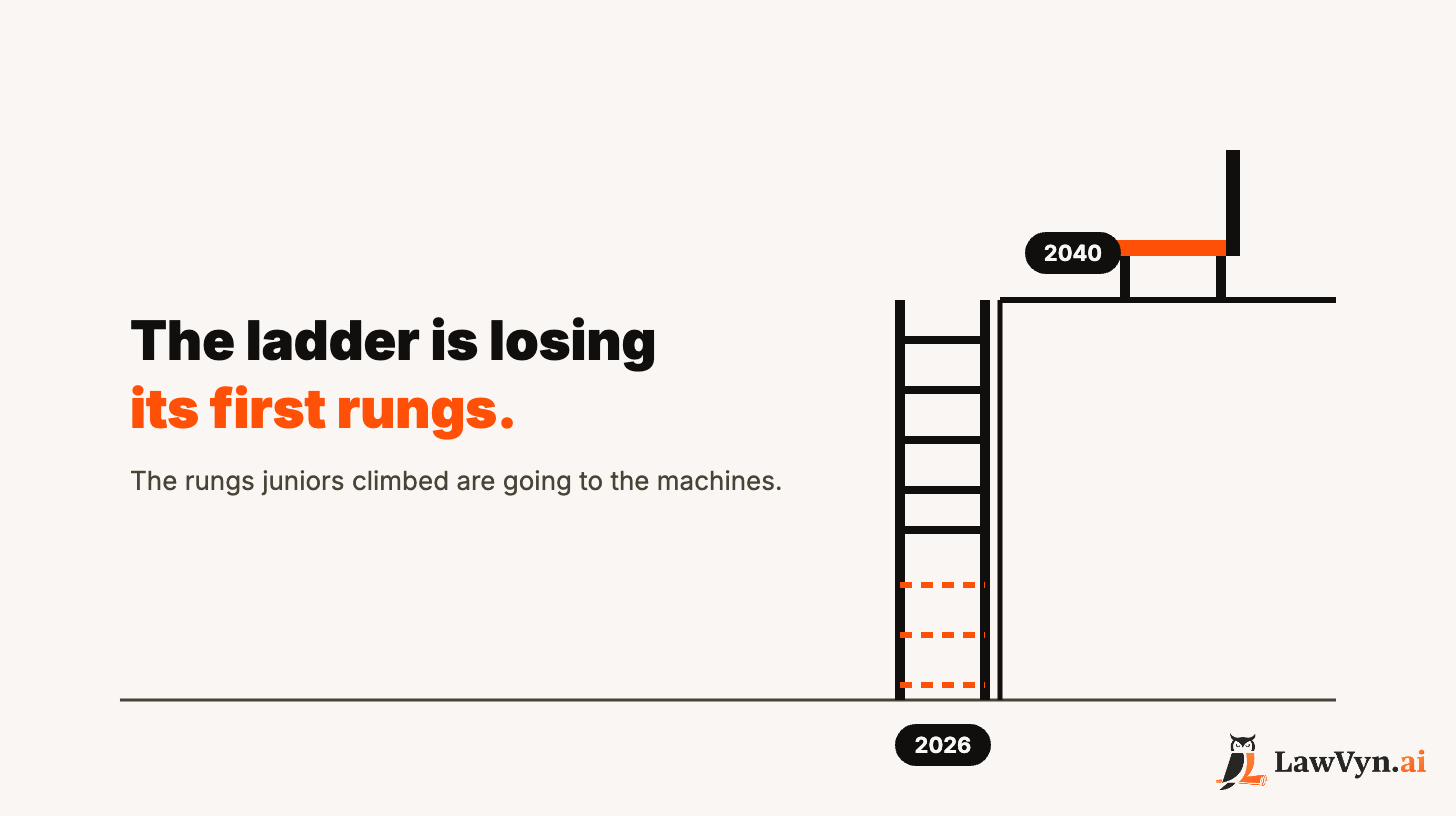
Who Becomes a Senior Advocate in 2040?
AI is quietly eating the work that turned freshers into seniors. Everyone in the profession, from first-year junior to designated senior, has a stake in what replaces it.
22 September 2026 · 5 min read
Essay
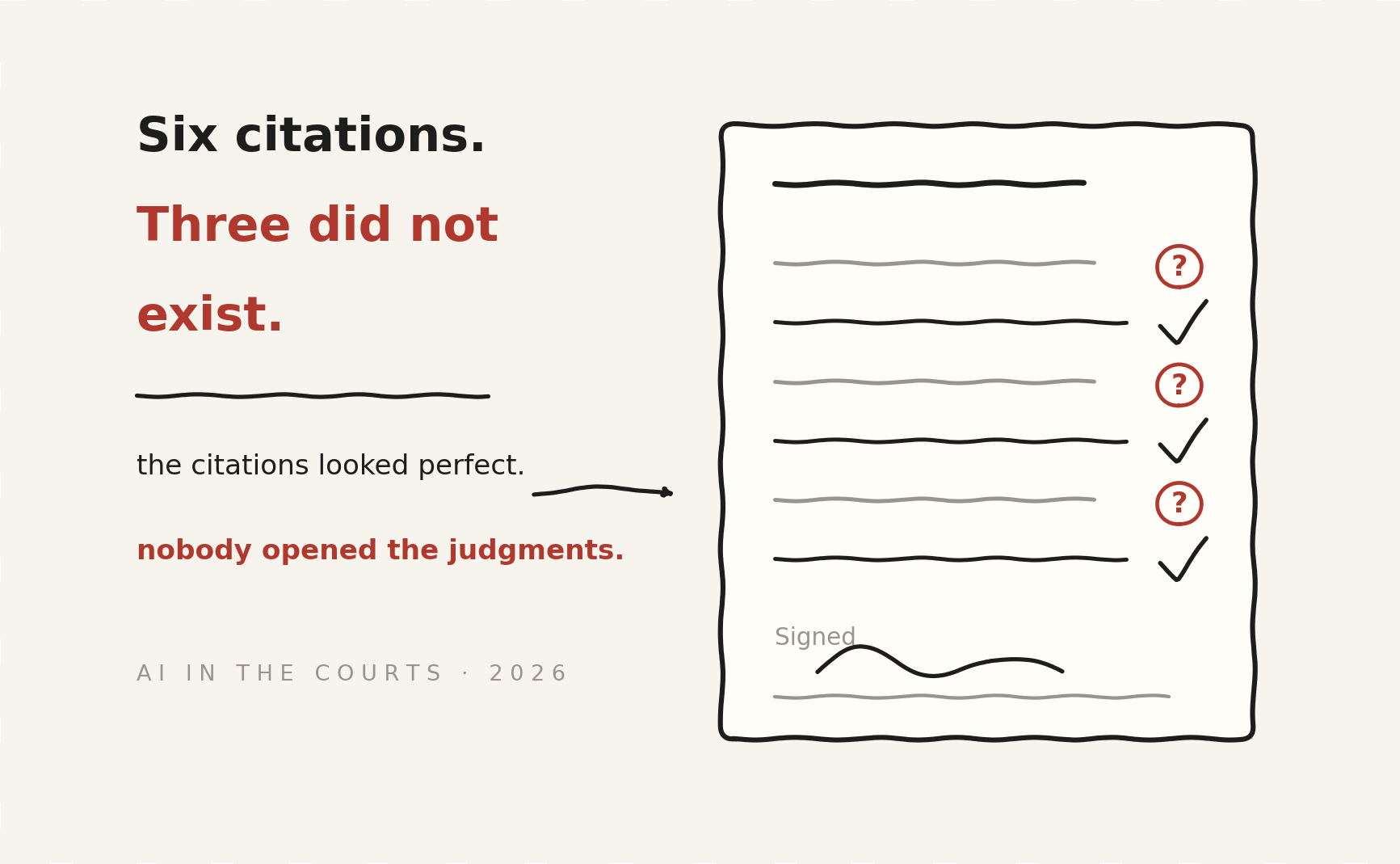
AI in Your Pleadings Is Now a Disciplinary Question
A draft regulation in June, a Supreme Court judgment in July, and one clause that says you cannot blame the machine. Here is what changed, and what it asks of the advocate who signs.
20 September 2026 · 7 min read